

AC Not Cooling Enough? 5 Signs It’s Time to Replace
If your air conditioner not cooling enough anymore, the first useful number is age. Central AC units commonly last 15 to 20 years with regular maintenance. After that, efficiency drops, repairs get less useful, and a $13,000 to $15,000 replacement can beat another expensive fix. The decision is math, not fear.
How long should a central AC last before replacement?

Most central AC units last 15 to 20 years with proper maintenance. Carrier’s lifespan guide says the average life expectancy is 15 to 20 years, but some well cared for units reach 25 years while neglected systems can fail around 10. That range matters because a 9 year old unit and a 17 year old unit can both blow warm air for different reasons.
The first sign of an HVAC issue is often a longer run time, not a dead compressor. The system works, but it runs past the usual stop point. In San Leandro, Hayward, and Castro Valley, that can show up as a house that used to reach 74 degrees by 4 p.m. and now needs the whole evening. That is not always a compressor failure. It can be low refrigerant, a dirty coil, a clogged filter, or a worn capacitor. But if the unit is old, the same symptom gets more serious.
The $13,000 to $15,000 replacement number
A full central AC replacement in the East Bay often lands around $13,000 to $15,000 installed, depending on equipment, ductwork, and electrical work. That is the number to keep on the table. If a repair quote is $400 for a capacitor or a filter, the math is easy. If a repair quote is $1,800 for a compressor, the math changes fast.
A useful rule is to compare the repair cost against the age and reliability of the system. A $1,800 repair on a 7 year old unit with one prior fix may be fine. A $1,800 repair on a 16 year old unit with two repairs in the last three years is a warning. You are not buying comfort for the next ten years. You are buying a short extension on a system that has already used most of its useful life.
When does an air conditioner not cooling enough mean replace instead of repair?
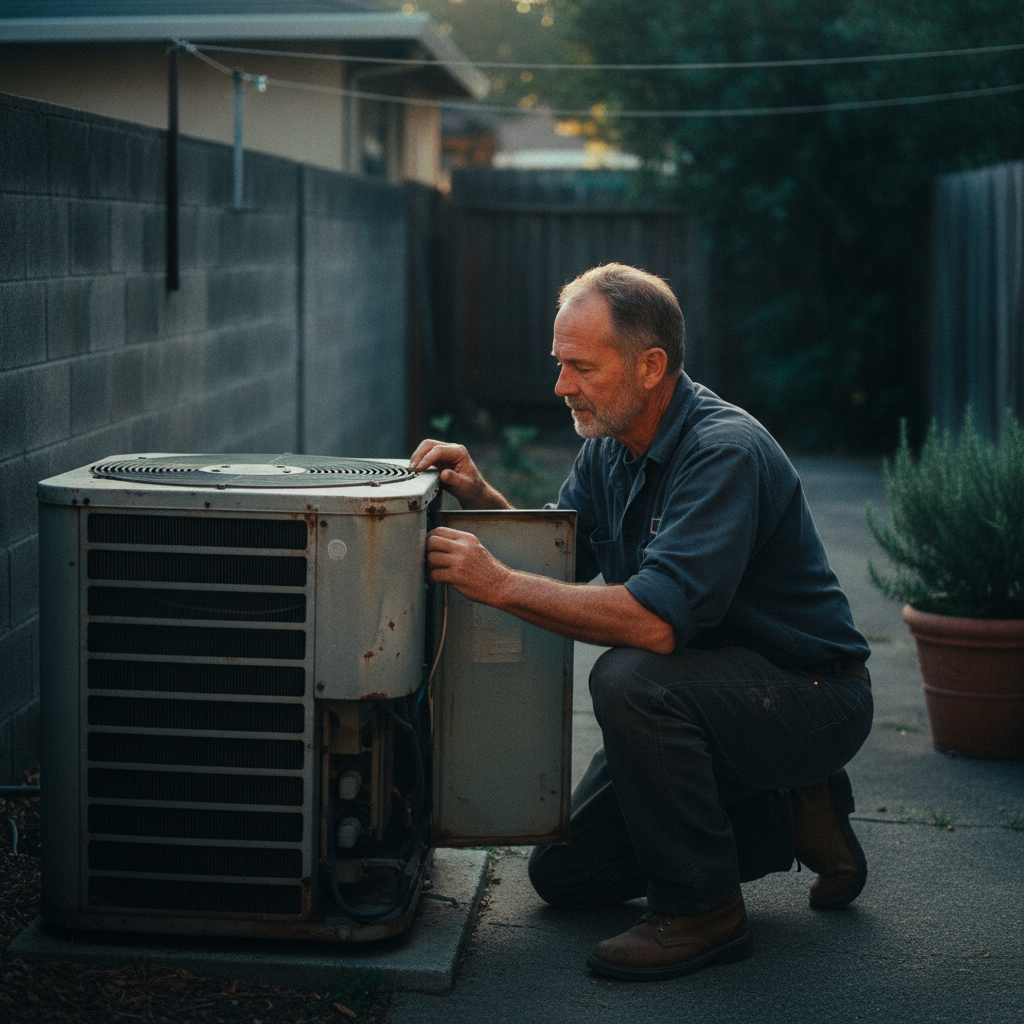
Replace when the repair quote plus recent repair history points to another failure within a few years. The exact line is not a single dollar amount. It is the pattern.
A repair can still make sense when:
– The unit is under 10 years old and has been maintained.
– The problem is a small part, such as a capacitor, contactor, or thermostat wire.
– The repair quote is well below half the cost of a replacement.
– The system has no repeated failures in the last two or three years.
Replacement starts to make sense when:
– The unit is 14 years or older and the main compressor is involved.
– You have paid for two or more repairs in a short window.
– The system takes all day to reach the set point, even after basic checks.
– Parts are hard to find or the model is discontinued.
Consumer Reports reviews of nine popular brands, based on more than 55,000 responses, found the top air conditioner brands had an 11% defect rate, while the lowest scored 19%. That gap matters because a newer, better matched unit can reduce the odds of another failure. Consumer Reports reviews also pointed to new units being up to 40% more efficient. If your old system runs long to cool the house, that efficiency gap shows up on the electric bill before it shows up on the invoice.
Check these three things before you sign a repair order
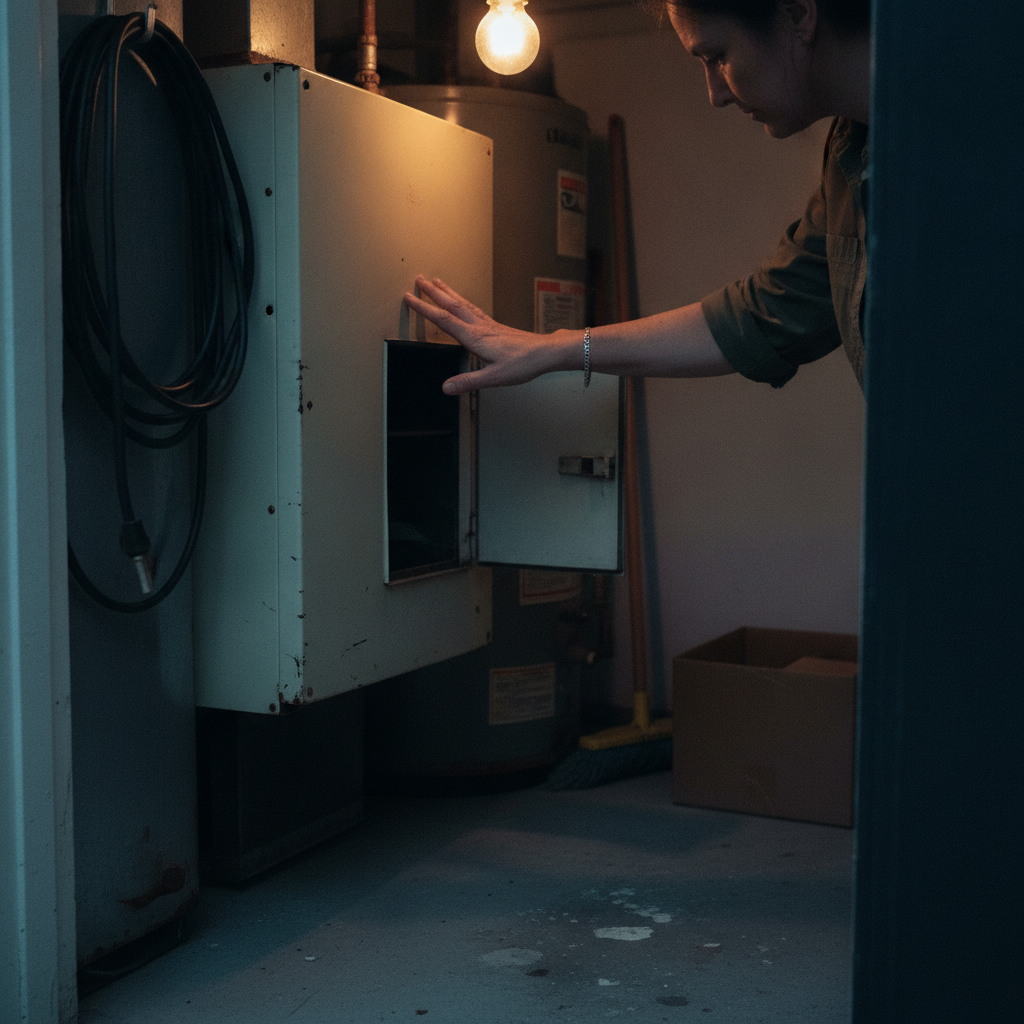
Do not let a single warm day force the decision. Before you approve a big repair, ask for the unit age, the repair history, and the likely part life. If the technician cannot say why the part failed, get a second opinion.
Look for:
– A service tag with the model, serial number, and install date.
– A list of past repairs with dates and parts replaced.
– A written quote that separates parts, labor, and any needed electrical or duct work.
Part availability is a quiet but real factor. Older models can have discontinued parts, which means a repair that works today may be harder to fix next summer. If the model is old and the part is hard to source, the repair is less of a fix and more of a bridge.
Straight pricing without the upsell
The best quote is one number you can check. Ask for the installed cost of the replacement, including equipment, labor, permits, disposal, and any basic electrical or duct work needed to make it run safely. If a contractor pushes a higher tier unit without explaining the actual comfort or efficiency gain, ask for the math.
Ask for:
– The model name and efficiency rating.
– The installed price, not just the equipment price.
– The expected savings or runtime change, with the numbers used.
– The warranty on parts and labor, separated.
Spot Free HVAC can give you that same straight number. If the air conditioner not cooling enough is caused by age, the answer should be a clear repair or replace decision, not a surprise bill.


