AC Running But Not Cooling? Fix It for Under $900
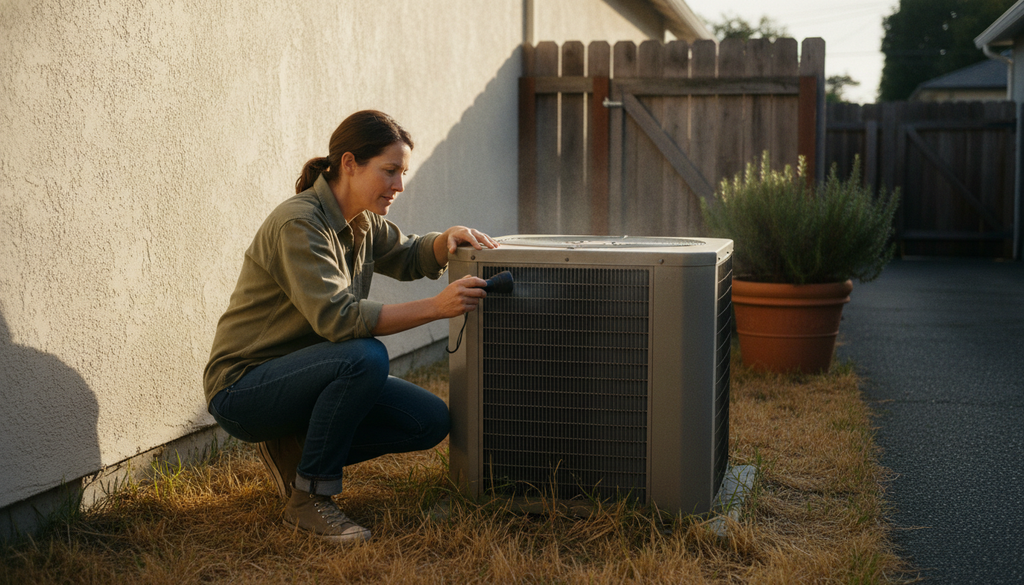
An AC running but not cooling usually means the air handler is moving air while the cooling side is stuck. The first sign is often a failed capacitor or a small refrigerant leak, and both can be repaired before a full replacement. Most first-sign repairs land between $400 and $900. If a quote jumps straight to a new system, ask for the line items.
What does a running but not cooling AC usually mean?
It usually means the system is blowing air but the refrigerant side or the electrical start side is failing.
The outdoor fan may run, the indoor fan may run, and the house still stays warm. That pattern shows the compressor is not doing its job. In plain terms, the compressor moves refrigerant so the coil can pull heat out of the air. If the compressor does not start, or if it starts but the refrigerant is low, the air stays warm.
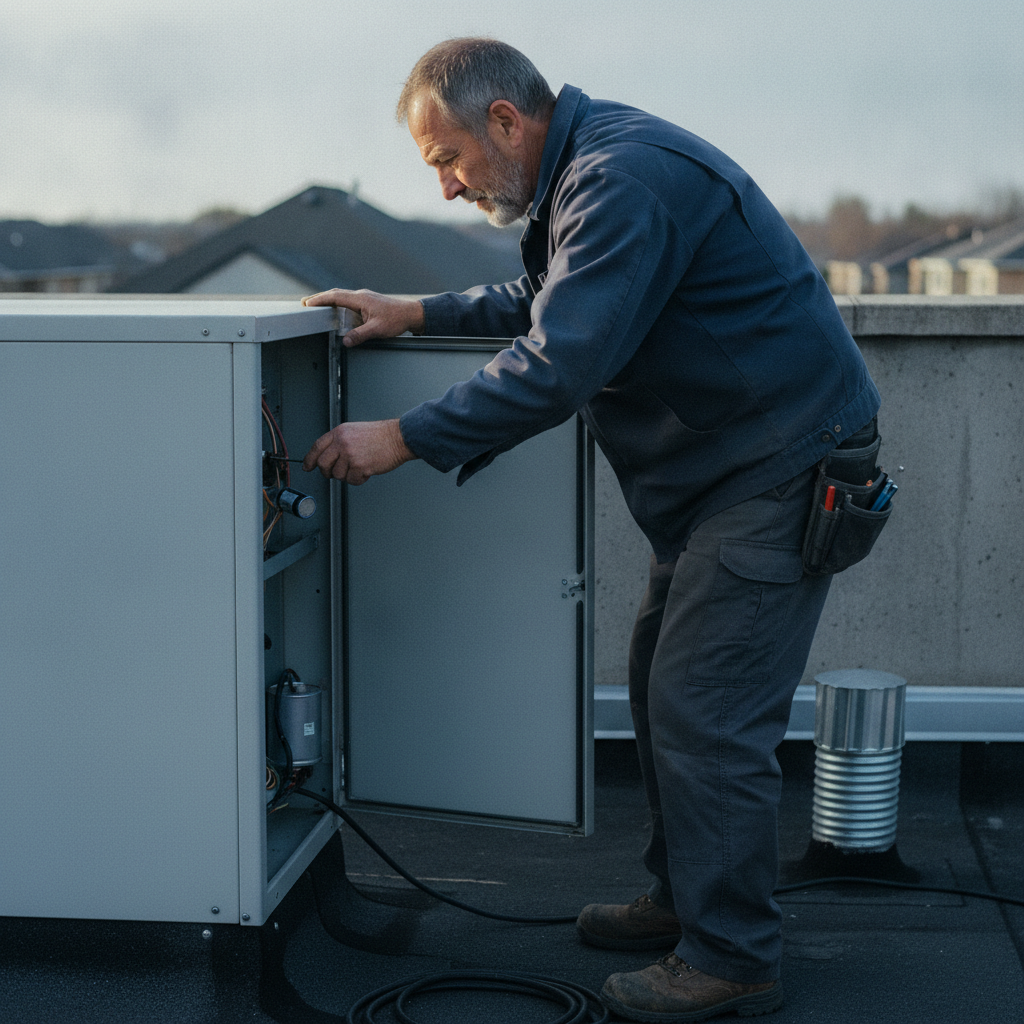
A failed capacitor is a common East Bay first sign. A capacitor is a small box that gives the compressor a short push to start. Norse Home Solutions’ HVAC guide lists capacitor replacement at $150 to $350 and electrical compressor repair at $200 to $600. A bad capacitor can make the unit click, hum, or shut down after a few minutes.
A refrigerant leak is the other common cause. The system may run, but the charge drops enough that it cannot cool. A small leak repair and recharge can fit under $900, while a hard-to-reach leak can cost more. The quote should name the leak location and the refrigerant type.
Watch for these first signs:
- The outdoor fan runs but the house stays warm.
- The compressor clicks, hums, or trips the breaker.
- You see ice on a copper line or smell a sweet odor.
- The unit runs longer but the temperature barely drops.
A real repair quote, line by line
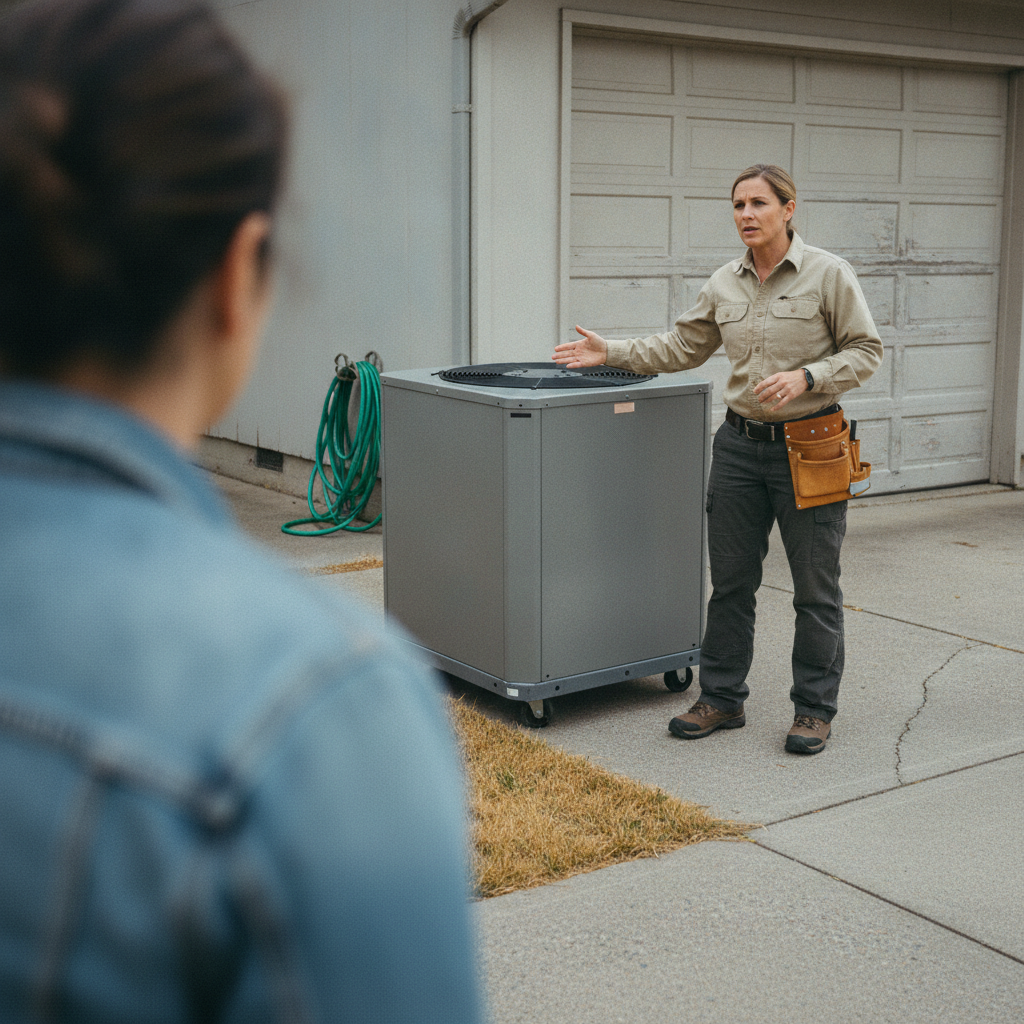
A fair quote should show the part, the labor, the diagnostic fee, and any refrigerant handling fee. If the paper says only “AC repair” with one big number, ask for the breakdown. A homeowner in Oakland, Berkeley, or Hayward can compare line items without needing to know the brand.
The lines that matter for a running but not cooling repair are:
- Capacitor replacement: $150 to $350, part and labor, according to Norse Home Solutions.
- Electrical repair: $200 to $600, including contactor, relay, or wiring work if the compressor will not start.
- Refrigerant leak repair and recharge: usually under $900 for a small, accessible leak, with the leak location named on the quote.
- Diagnostic fee: ask whether it is credited toward the repair. A clear quote will show that credit.
If the quote includes a new system, it should be a separate line, not hidden inside the repair price. HomeAdvisor puts average central AC replacement at about $5,000, with complicated homes reaching $12,500. That number belongs in a replacement conversation, not in a first-sign repair estimate.
A good quote also says what is not included. If the capacitor is replaced but the contactor is weak, the quote should say whether that part is tested and whether it is replaced. If the refrigerant charge is low, the quote should say whether the technician finds the leak, not just tops off the charge.
When a replacement pitch is overkill
Most units last 10 to 15 years, according to Champion and Nash, and efficiency usually drops after 12. Age alone does not prove a system must be replaced. A 14-year-old unit with a $300 capacitor is still a repair conversation. A 6-year-old unit with a $400 leak repair is also a repair conversation.
The red flags are the same in most East Bay neighborhoods. A contractor may start with a small problem and then add a new system as the “better” choice. If the pitch skips the failed part, the repair cost, and the replacement cost, slow down.
Ask these questions before signing:
- What exact part failed?
- Can you show me the capacitor, contactor, or leak point?
- What is the repair total before any replacement option?
- If I replace the system, what is the separate replacement price?
- Will the diagnostic fee be credited if I do the repair?
A straight answer should be easy to get. If the answer is vague, or if the only number on the page is a new-system price, get a second quote. Spot Free HVAC uses the same line-item format: the part, the labor, the refrigerant work, and the replacement option, each on its own line.